Premium Roof Lantern Installations for Home Renovations
Discover the Sophistication of Contemporary Roof Lanterns: Style Trends for 2026
In 2026, innovative roof lanterns are redefining architectural aesthetics. Their clean geometric designs and configurable features offer both practicality and style, appealing to contemporary sensibilities. Sustainable materials are now standard, emphasizing sustainability alongside elegance. Advanced glazing technologies enhance natural light while providing insulation. As these elements converge, they create welcoming spaces that reflect a commitment to charm and the environment. What makes these lanterns essential for today’s homes?
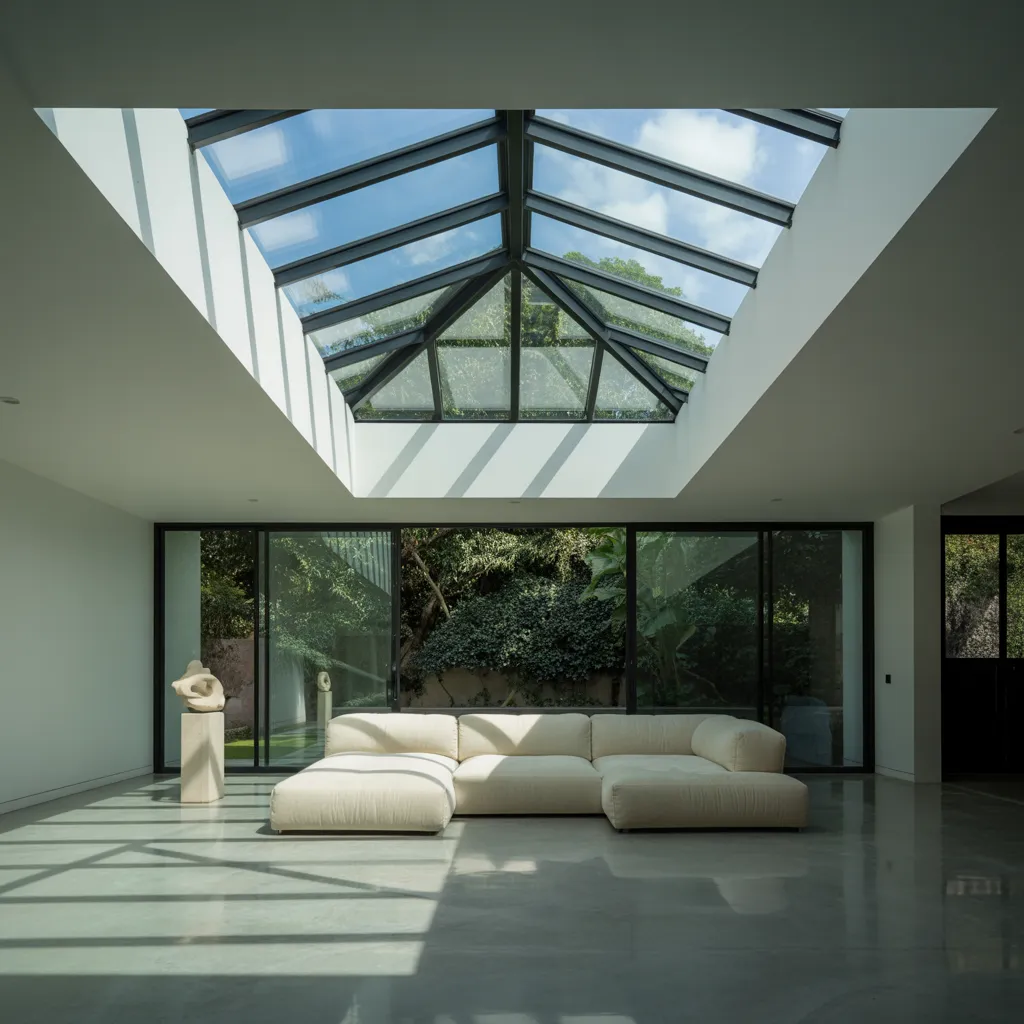
The Advantages of Installing a Modern Roof Lantern
A modern roof lantern provides a striking design element that enhances both visual appeal and effectiveness. By allowing natural light to flood a space, it greatly improves the ambiance of interiors, establishing a bright and welcoming environment. This influx of natural light can lessen the dependence on electric illumination, consequently promoting energy efficiency and potentially reducing electricity bills.
Additionally, roof lanterns can assist in controlling indoor temperatures, enabling better air flow and ventilation. This can lead to a more pleasant living space year-round. Their versatile designs can enhance various architectural styles, making them suitable for both contemporary and traditional homes.
Additionally, a skylight window can deliver a one-of-a-kind highlight, commanding attention and adding design appeal to every room. In summary, the installation of a modern roof lantern not only boosts the visual beauty of a home but also increases its practicality and power conservation, making it a beneficial feature.
Trending Roof Lantern Options in 2026
In 2026, the choice of options for contemporary roof lanterns reflects a blend of innovation and sustainability. Design professionals and architects tend to prefer eco-friendly options, such as reclaimed aluminum and responsibly harvested wood. These materials not only minimize ecological footprint but also provide a modern appearance.
Glass remains a preferred choice, with advancements in eco-friendly glazing technology allowing for improved insulation and UV protection. This enables homeowners to benefit from natural light while minimizing energy consumption.
Additionally, blended composites are becoming mainstream, blending the robustness of synthetic substances with the visual beauty of wood-like appearances. This tendency meets both performance and design demands, delivering long-lasting results without sacrificing appearance.
In essence, the materials opted for for roof lanterns in 2026 stress both performance and appearance, crafting beautiful, sustainable solutions that enhance living spaces while upholding modern ecological standards.
One-of-a-Kind Roof Lantern Styles to Improve Your Living Spaces and Outdoor Areas
Unique roof lantern styles deliver a blend of contemporary and classic visual styles that can greatly elevate both inside and outside areas. Contemporary geometric designs deliver a sleek, modern look, while traditional Victorian influences contribute a touch of elegance and charm. Exploring these varied designs allows homeowners to enhance their spaces with unique architectural features.
Current Geometric Designs
Contemporary angular designs in rooflights provide a striking blend of functionality and visual beauty. These innovative structures often feature sharp lines, angular shapes, and minimalist frameworks that establish a modern look while maximizing natural light. By incorporating materials such as glass and metal, designers provide a refined, elegant appearance that complements various architectural styles. The dance of light and shadow through these angular elements enhances both indoor and outdoor spaces, forming visually engaging associated resource environments. In addition, flexible choices allow homeowners to pick sizes and shapes that fit their individual requirements, ensuring that each lantern acts as a unique focal point. Ultimately, modern geometric roof lanterns elevate spaces with their modern aesthetics and practical benefits.

Timeless Victorian Style Elements
While modern designs dominate the market, classic Victorian influences in roof lanterns continue to captivate homeowners seeking to improve their interiors and exteriors. Defined by detailed detailing, ornate structures, and elegant glasswork, these lanterns exude a sense of timeless charm. The use of wrought iron and stained glass is prevalent, reflecting the craftsmanship of the Victorian era. Homeowners appreciate how these designs create a bold focal point while allowing natural light to flood spaces. In both traditional and contemporary settings, Victorian-style lanterns effortlessly blend history with modernity, offering a distinctive aesthetic that complements varied architectural styles. As the design landscape evolves, the enduring appeal of classic Victorian influences remains a significant trend in roof lantern choices.
Picking the right Roof Lantern for Your Property?
When deciding on the perfect roof lantern for a home, homeowners should take into account both aesthetic appeal and functional benefits. The design should reflect the design character of the property, whether it be contemporary, traditional, or somewhere in between. Size is another key factor; the lantern should proportionally fill the space to optimize natural light without crowding the room.
Materials, such as aluminum or wood, can likewise influence the overall appearance and longevity of the lantern. Homeowners should assess the type of glazing, as options like double or triple glazing can enhance insulation and energy efficiency. Additionally, color and finish should align with existing decor to create a cohesive appearance.
Practical matters, such as ease of maintenance and installation requirements, are equally critical. Ultimately, a appropriately chosen roof lantern can elevate a home's interior while providing durable performance and design quality.
Sustainable Roof Lantern Integration
Adopting sustainable practices in roof lantern development provides homeowners an opportunity to boost both aesthetics and environmental responsibility. Modern roof lanterns can be created from eco-friendly materials such as reclaimed wood and recycled aluminum, minimizing the environmental burden tied to production. Moreover, designers are increasingly concentrating on efficient glass solutions that enhances natural light while lowering heat loss, yielding decreased energy expenses.
Additionally, adding solar panels into roof lantern designs enables for harnessing renewable energy, additionally advancing sustainability. The application of low-VOC paints and finishes guarantees healthier indoor air quality, aligning with eco-conscious living.
The emphasis on sustainable integration not only enhances the visual appeal of a home but also matches a growing trend towards environmentally-friendly living. As homeowners emphasize sustainability, roof lanterns that embody these principles will distinguish themselves as both visually attractive and conscientious choices.
Simple Care Advice for Your Roof Lantern
Periodic upkeep is critical for maintaining the visual appeal and performance of roof lanterns. To guarantee optimal performance, it is advised to wash the glass surfaces frequently using a gentle fabric and a mild cleaning solution. This prevents the accumulation of dirt and grime that can obstruct natural light. Additionally, inspecting the seals and gaskets for wear or damage is critical; replacing them promptly can prevent leaks and preserve energy efficiency.
Reviewing the frame and structural elements for rust or corrosion will support the durability. If metal components show signs of weakening, applying a protective coating can extend their lifespan. In addition, in seasonal shifts, it is wise to strip away matter including leaves or snow that may settle on the lantern.
Routinely Asked Questions
What Average Expenditures Should You Anticipate for Modern Roof Lanterns in 2026?
In 2026, the average expenditures of contemporary roof lanterns vary between $1,500 to $5,000, influenced by elements like size, materials, and design complexity, demonstrating the changing patterns in residential design and aesthetics.
How Do Roof Lanterns Change Energy Efficiency in a Home?
Roof lanterns improve home energy efficiency by increasing natural light, decreasing dependence on artificial lighting. Their design can improve ventilation, allowing for superior thermal management, ultimately leading to lower energy consumption and more sustainable living environments.
Is It feasible to fit Roof Lanterns on pre-existing Roofs?
Roof lanterns may be fitted on present roofs, as long as structural integrity is assessed. Proper fitting secures harmony with the existing roof setup and optimizes natural light while strengthening visual charm and power savings in the home.
What Is the Duration of a Modern Roof Lantern?
The lifespan of a contemporary roof lantern typically extends from 20 to 30 years, depending on materials, maintenance, and exposure to environmental factors. Regular upkeep can enhance durability and performance over time.
Can ceiling skylights work in different environmental conditions?
Roof lanterns might be suitable for various climates, if they are properly designed and positioned. Insulation, substances used, and water drainage factors are vital to guarantee performance and long-term resilience in both high temperatures and low-temperature settings.